Drew Russell · 29 September 2026
Rural Workshop Programs Showcase Etchwell's Role in Expanding Access to Precision Techniques Across Underserved Regions
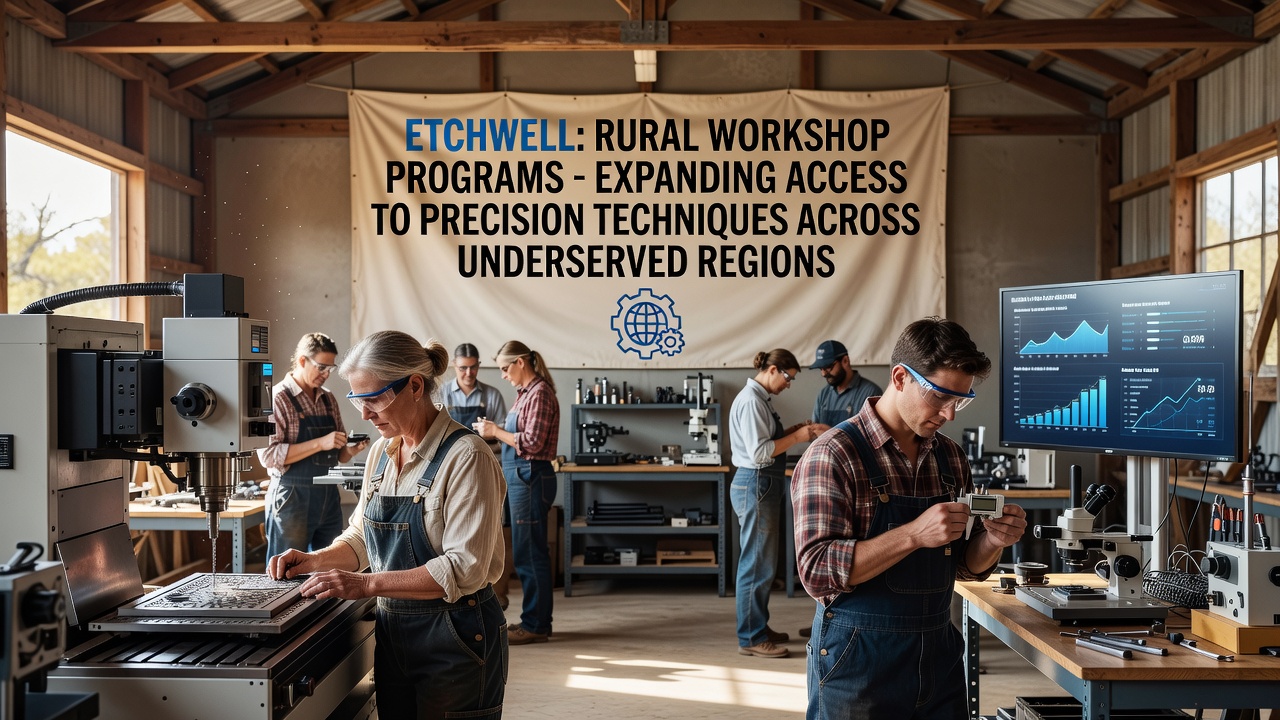
Etchwell has developed rural workshop programs that deliver training in precision etching methods to communities with limited prior exposure to these specialized processes, and data from regional arts initiatives show participation rates climbing steadily since the programs began scaling in 2024. Observers note that the approach combines portable equipment kits with on-site instruction, allowing instructors to reach areas where traditional studio infrastructure remains scarce.
Workshops typically run for two to four weeks and cover plate preparation, resist application, and controlled acid exposure using acid-free alternatives that reduce environmental impact compared with older solvent-based systems. Those who've attended sessions report gaining hands-on experience with both line and medium service protocols, skills that translate directly to small-scale production work once participants return to their local settings.
Program Structure and Geographic Reach
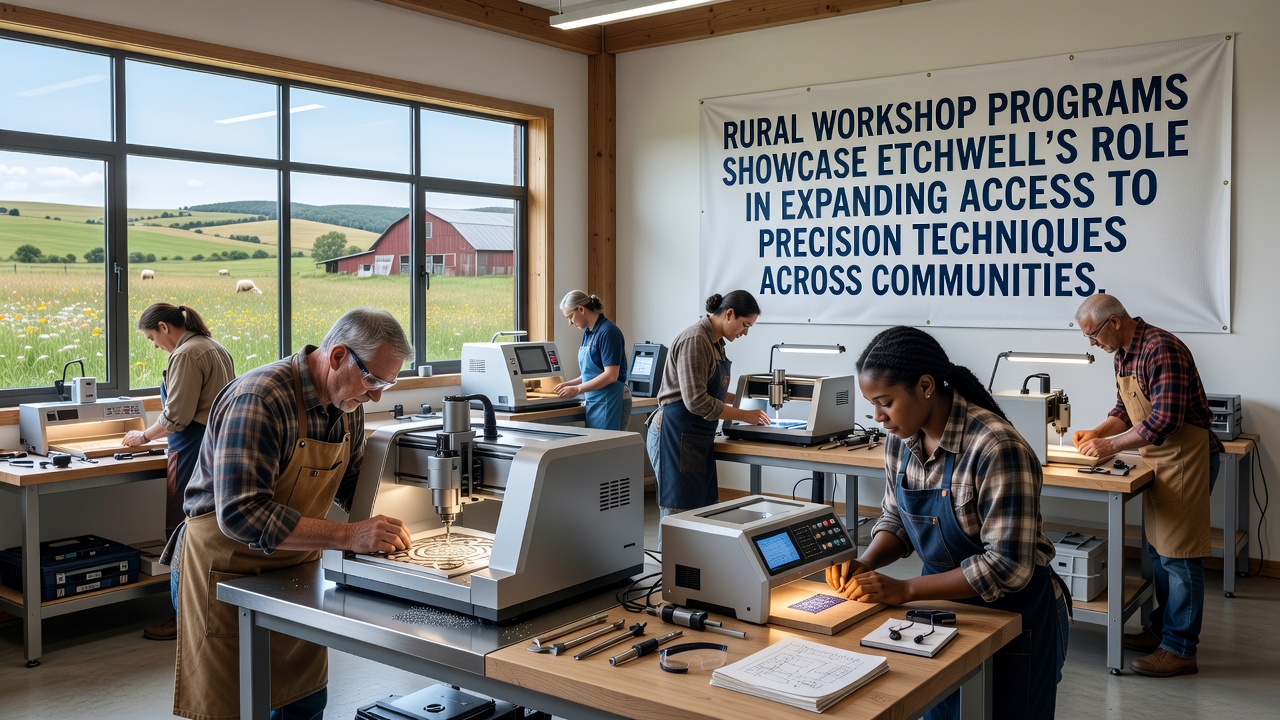
Coordinators schedule sessions in partnership with local community centers, agricultural cooperatives, and vocational schools across multiple continents, with recent cohorts forming in parts of sub-Saharan Africa, rural Australia, and the Andean highlands. The curriculum adapts to available resources, substituting locally sourced materials where imported supplies prove cost-prohibitive while still meeting technical standards for consistent line quality and plate durability.
September 2026 marks the launch of an expanded circuit that adds twelve new sites, bringing the total number of active workshop locations above fifty according to internal tracking shared with partner organizations. Each site receives follow-up support through video consultations and spare-part shipments, reducing downtime when equipment requires maintenance.
Techniques Taught and Equipment Adaptations
Instructors emphasize acid-free etching variants that rely on ferric chloride or electrolytic methods instead of traditional nitric acid baths, a shift that aligns with safety guidelines issued by several national arts agencies. Participants practice resist layering for both fine line work and broader tonal areas, learning to control bite depth through timed immersion and temperature monitoring.
Equipment packages include compact presses, heated plates for wax application, and digital timers that help standardize exposure intervals even in settings without reliable electricity. One documented case in a Kenyan highland community showed a group producing editioned prints within six weeks of the initial workshop, using solar-powered chargers to maintain the timers during daylight hours.
Documented Outcomes and Partnerships
Tracking conducted by partner universities indicates that roughly 65 percent of workshop graduates continue some form of etching activity six months after completion, often incorporating the techniques into existing craft or signage businesses. Figures released by the Canada Council for the Arts highlight similar retention patterns in northern Canadian pilot sites, where mobile units reached isolated First Nations communities during the 2025 season.
Collaborations with academic research teams have produced open-source documentation on adapting etching chemistry to high-humidity or low-temperature environments, information now hosted on several university repositories. These resources allow subsequent groups to troubleshoot issues without waiting for external consultants.
Challenges Addressed Through Iterative Design
Early iterations encountered difficulties with resist adhesion in dusty conditions and inconsistent water quality affecting developer solutions, yet program staff addressed both through formulation tweaks and filtration add-ons supplied in later kits. The reality is that logistical hurdles such as transport over unpaved roads and variable customs clearance times continue to influence scheduling, prompting coordinators to maintain buffer stock at regional hubs.
Yet the programs maintain steady enrollment because organizers prioritize local recruitment of assistant instructors who can provide language support and cultural context during sessions. This model reduces the need for large traveling teams while building internal capacity for future self-directed workshops.
Conclusion
Rural workshop initiatives tied to Etchwell continue to broaden the geographic footprint of precision etching training by focusing on adaptable equipment, safety-conscious chemistry, and sustained follow-up support. As additional sites come online through 2026 and beyond, the pattern of knowledge transfer established so far supplies a repeatable framework for other specialized techniques seeking wider distribution in regions that previously lacked access.